
 Licensed car
 Motorcycles
 UTV/ATV
 Tractors&Truck
 Baby tricycle
 Kids kick scooter
 Kids balance car
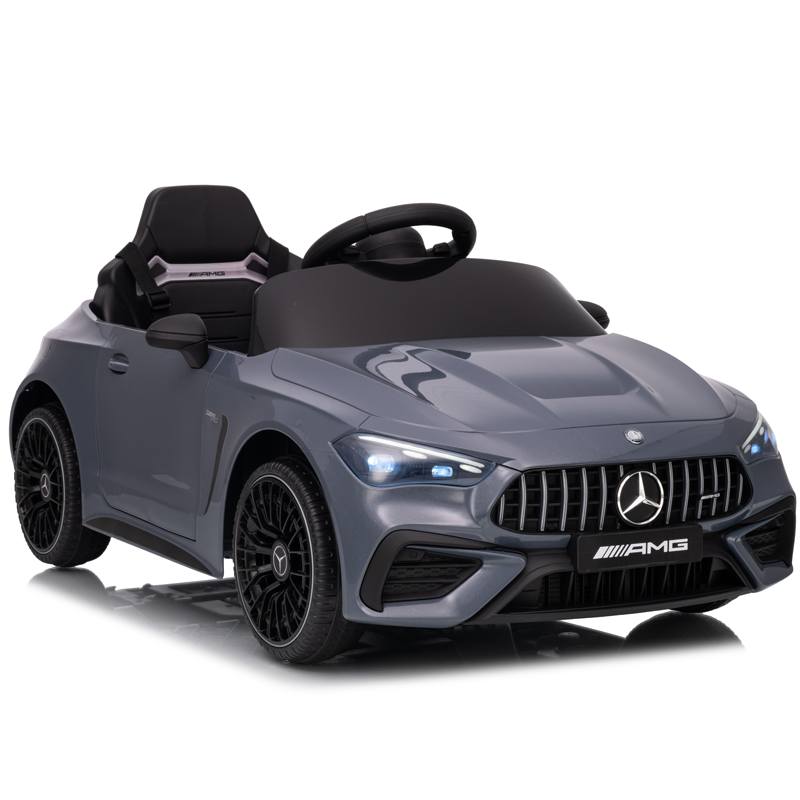
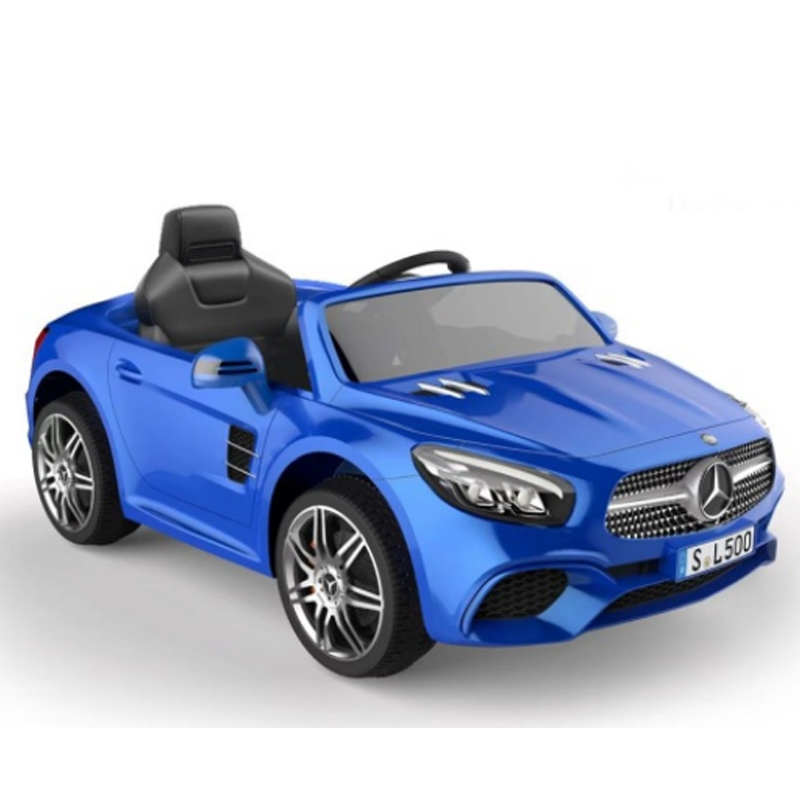

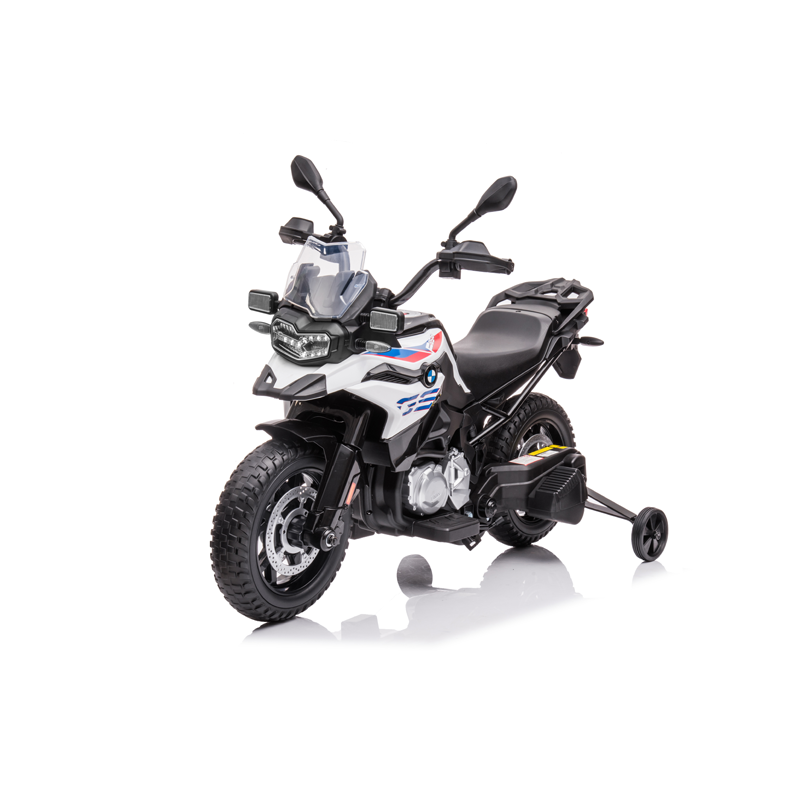
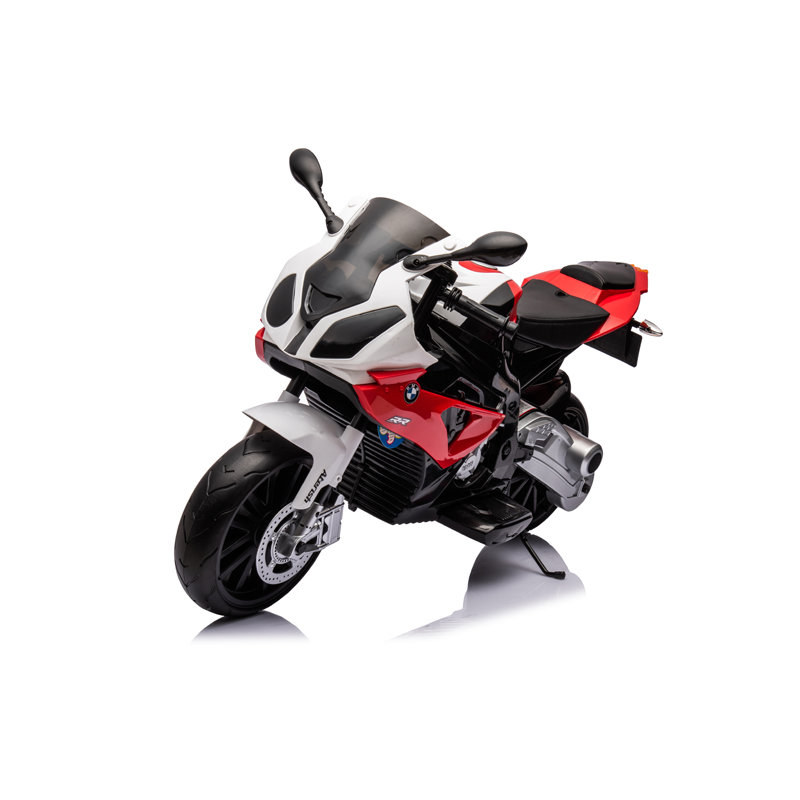
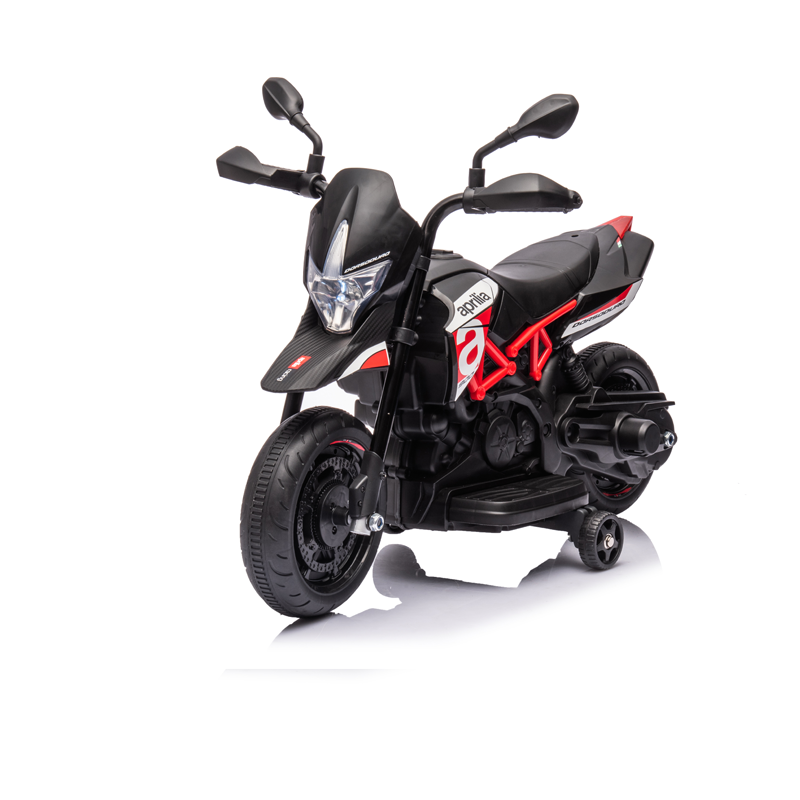
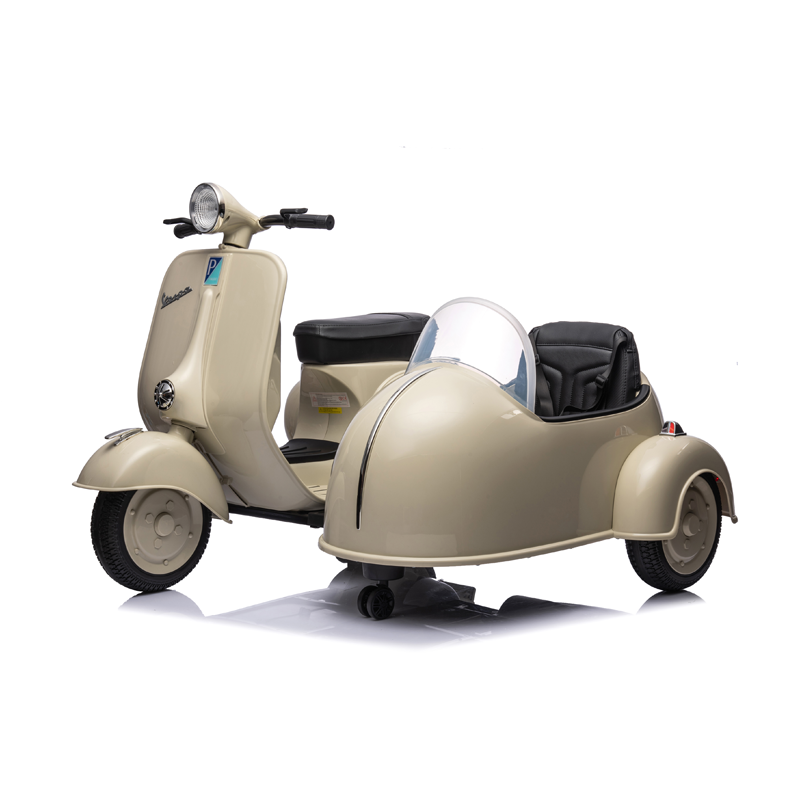
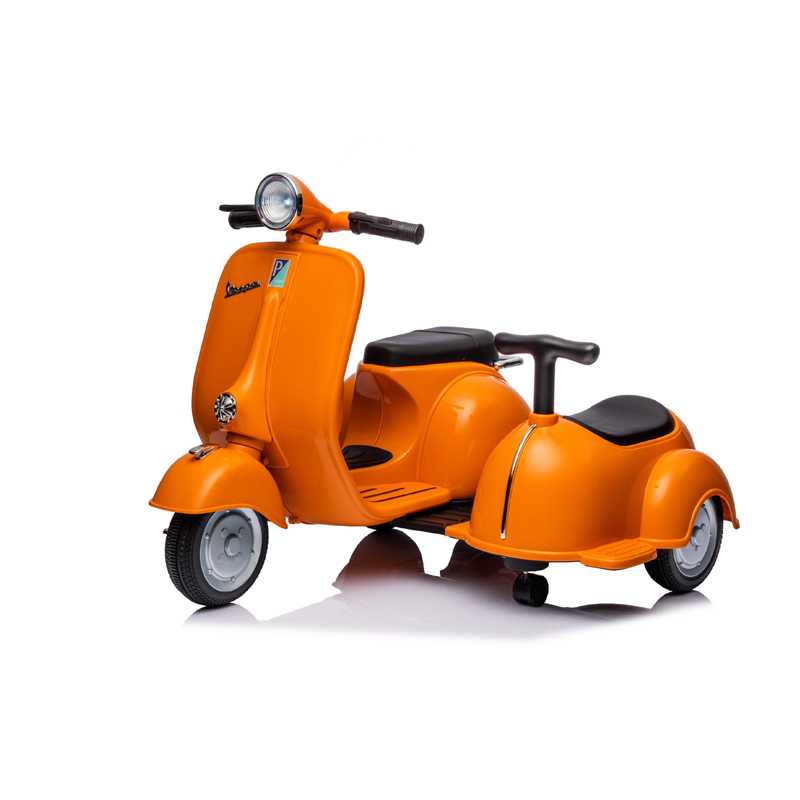
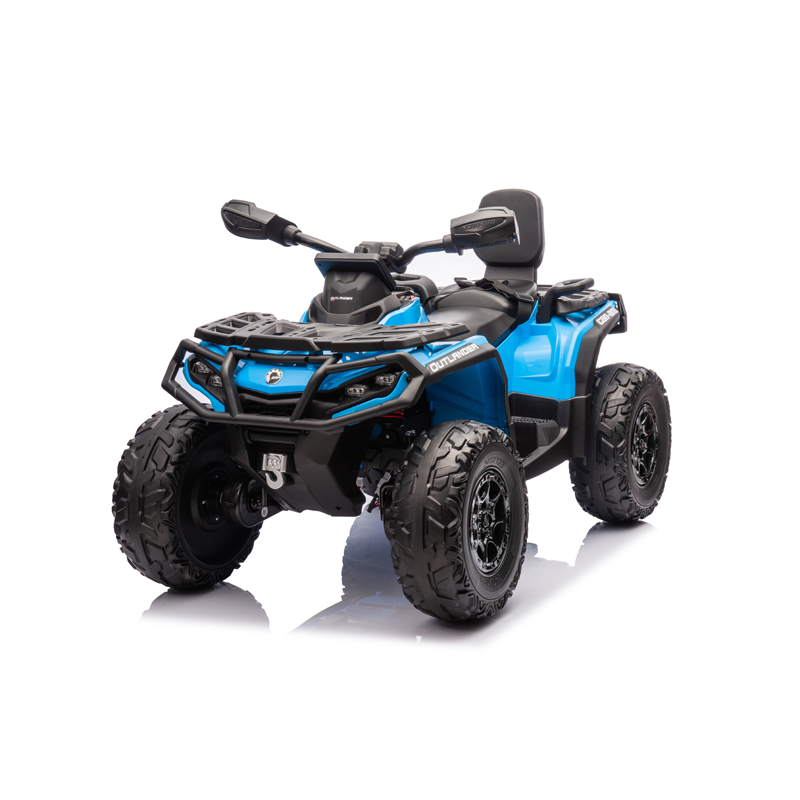
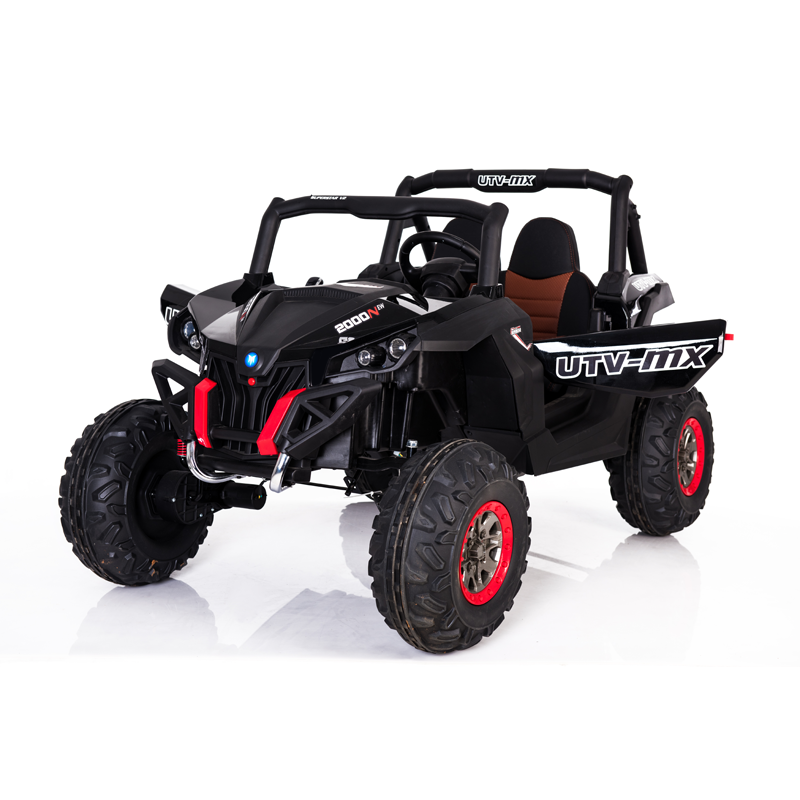
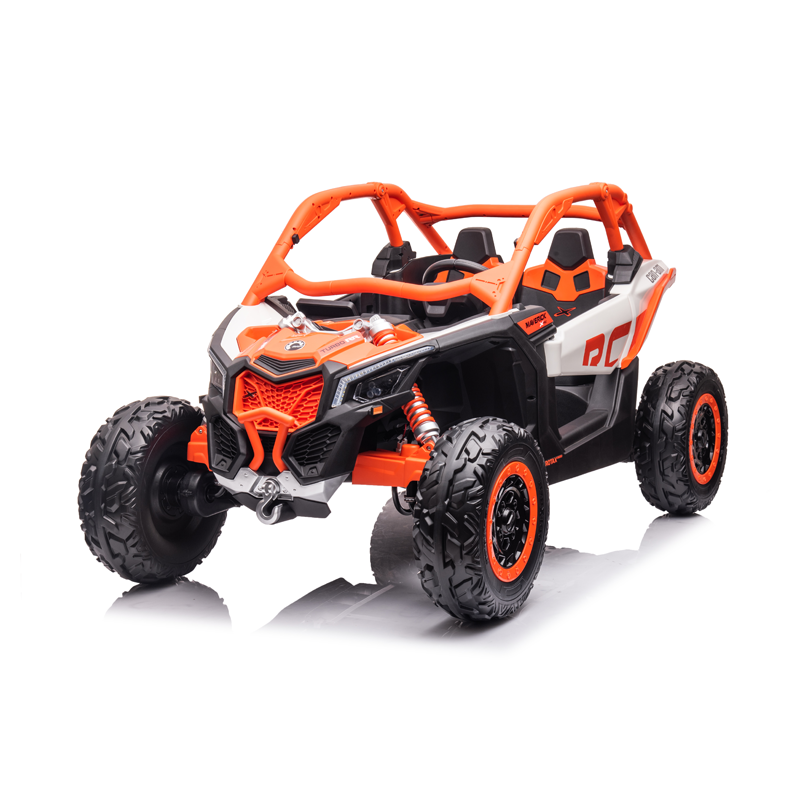
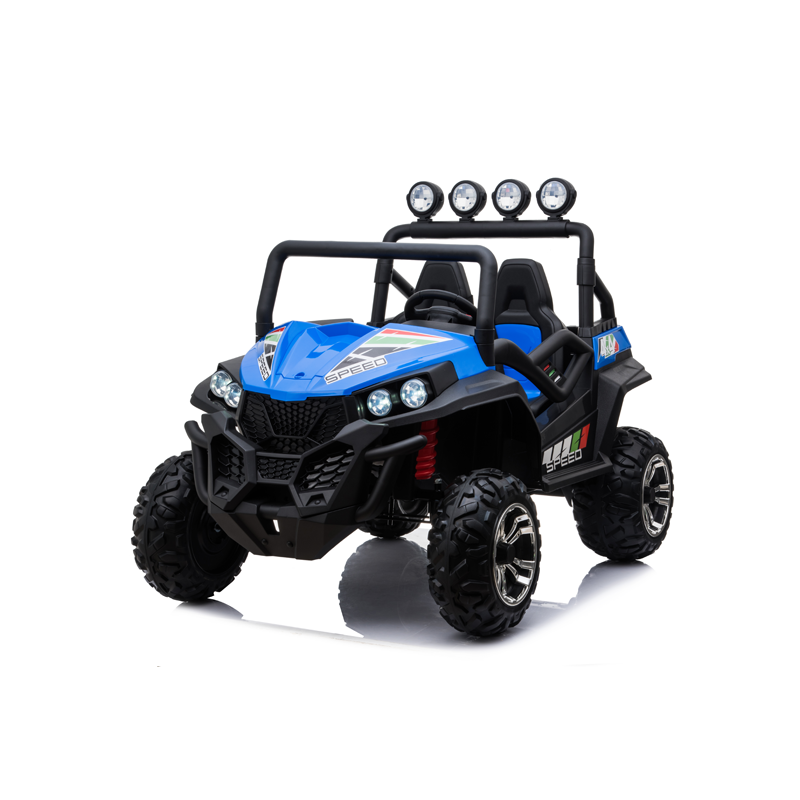
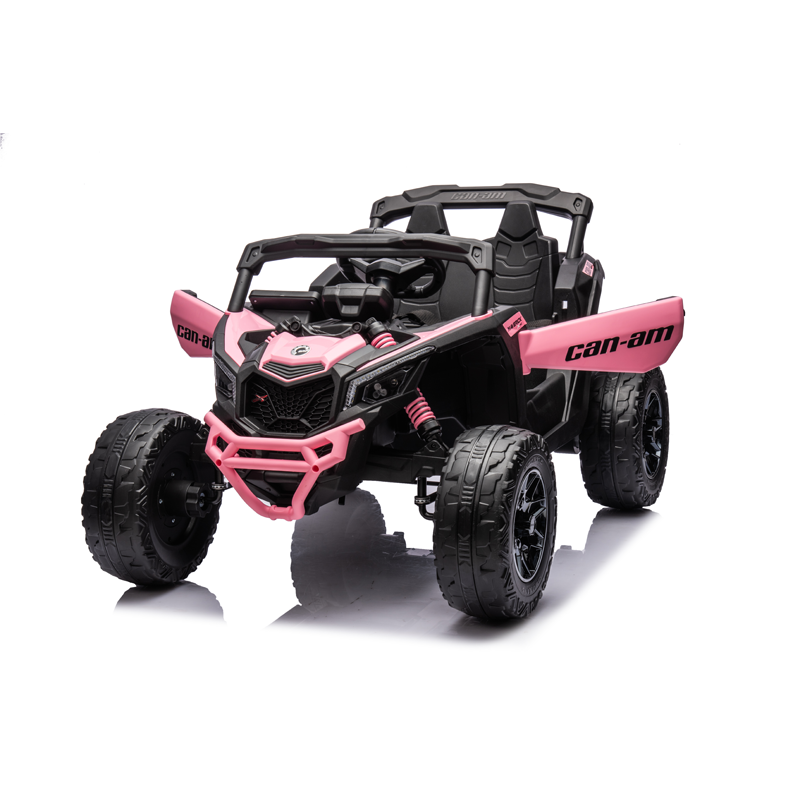
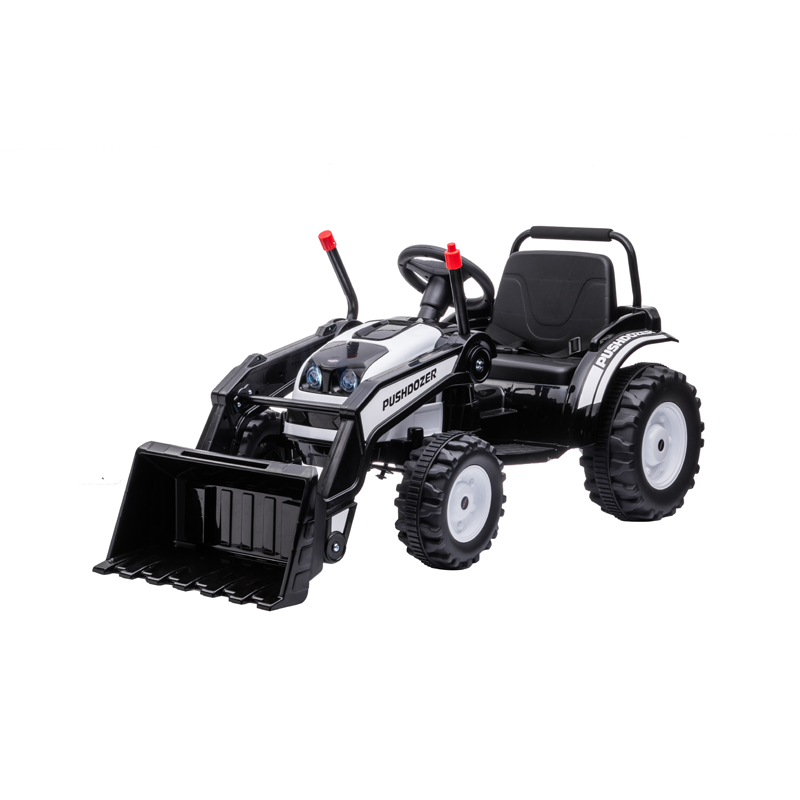
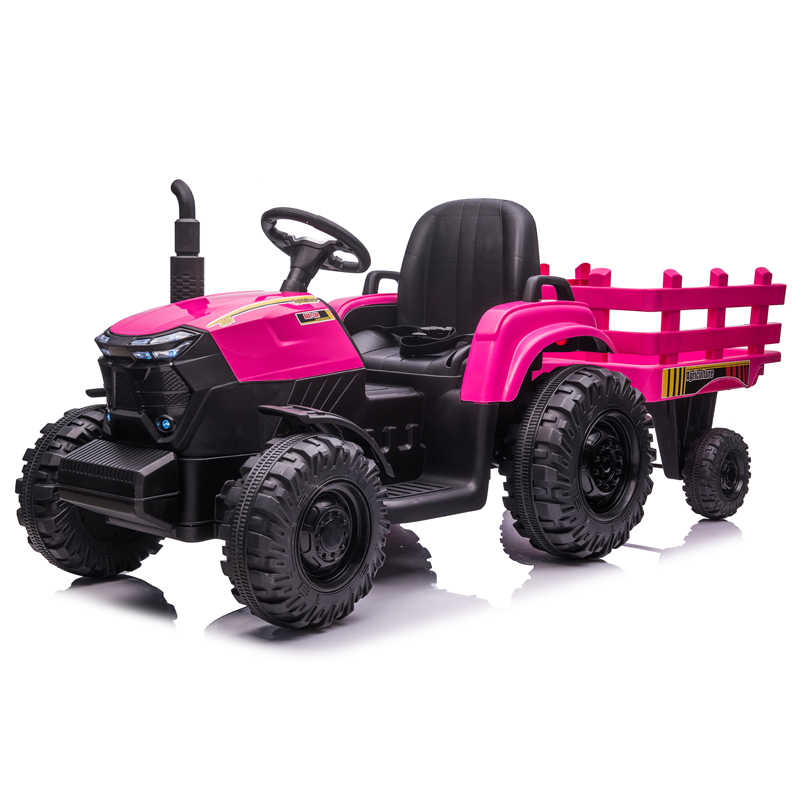
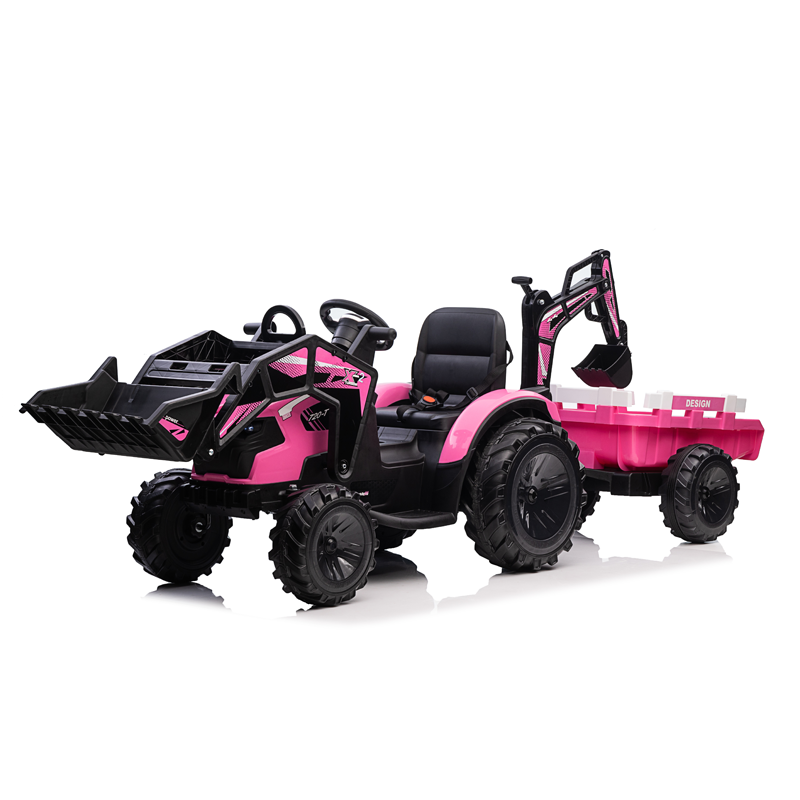
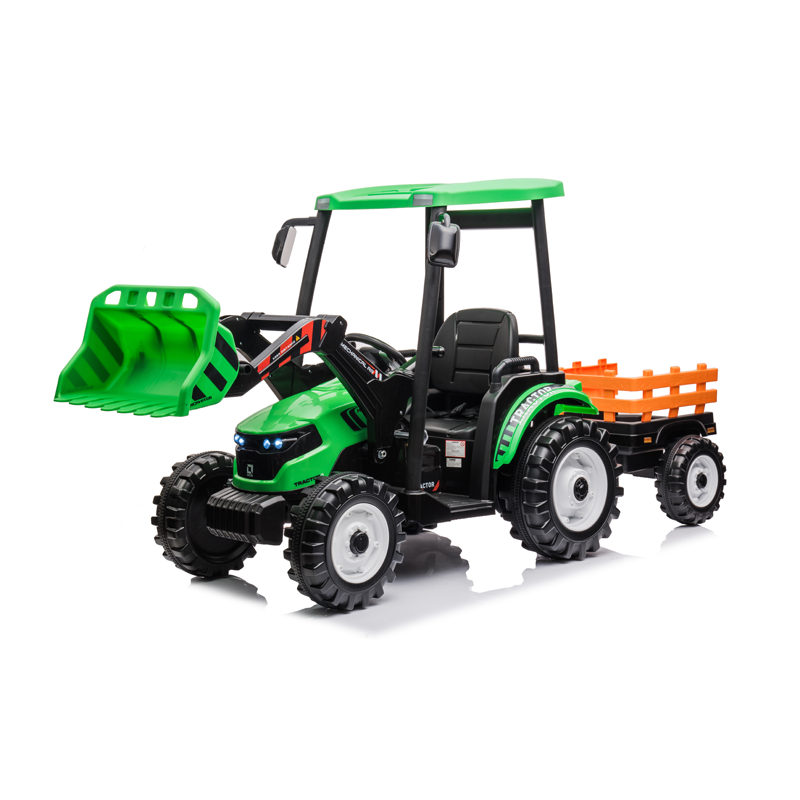
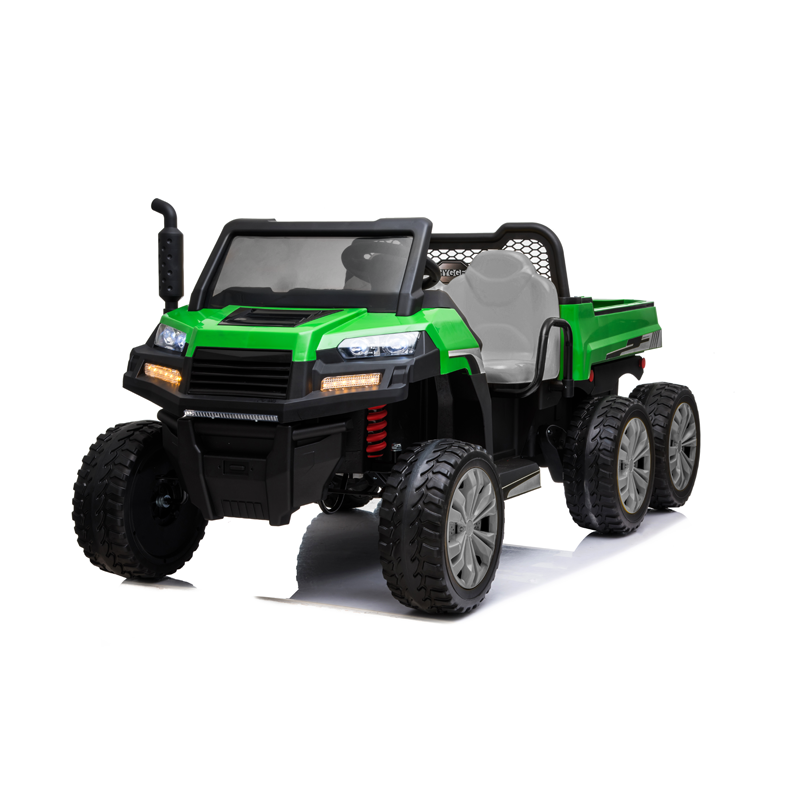






Kids Electric Car Certification in Europe: What Importers Should Check
Importing electric ride-on cars into Europe involves more than choosing the right body style, battery or wholesale price. Kids electric car certification in Europe should be reviewed before an importer confirms the final product configuration or starts mass production.
Electric ride-on toys combine mechanical structures, batteries, motors, controllers, chargers and, in many models, 2.4G parental remote controls. As a result, several European safety and compliance requirements may need to be considered for the same product.
For an importer, the practical question is not simply "Does this product have CE?" A more useful question is: Does the compliance documentation match the exact ride-on car configuration that will actually be shipped?

Why Compliance Matters Before You Place an Order
European importers usually compare more than product appearance and FOB price. Retail chains, online marketplaces and local authorities may require product identification, safety documentation, warnings, instructions and traceability information.
A ride-on car can look identical from the outside while using different electrical components inside. One version may use a 12V system with two motors, while another may use a 24V system with four motors and a different controller.
These changes matter because test documentation should be reviewed against the product being purchased. Buyers should avoid assuming that a report issued for one version automatically covers every available configuration.
What European Buyers Usually Check Before Sourcing
1. Product and Model Identification
Start with the model number. The model shown on the specification sheet, product label, carton, instruction manual, Declaration of Conformity and relevant test reports should be consistent or clearly traceable.
This is particularly important when the same ride-on car body is supplied in several configurations.
- 12V or 24V electrical systems
- Two-motor or four-motor versions
- Different battery capacities
- Different chargers or control boxes
- Plastic or EVA wheels
- Standard or upgraded seats
- 2.4G parental remote control
- Bluetooth, USB or multimedia functions
2. CE Marking
Toys placed on the EU market are subject to applicable European toy safety rules and normally need to carry CE marking.
Importers should understand that CE marking is not simply the name of one laboratory certificate. It forms part of a conformity process involving applicable safety requirements, technical documentation, conformity assessment and a Declaration of Conformity.
When reviewing a supplier's documents, the buyer should therefore look beyond a PDF file labelled "CE certificate" and confirm which product, configuration, standards and test reports the documentation actually relates to.
3. Test Report Scope
Before confirming an order, compare the product specification against the sample described or pictured in the relevant test reports.
Components worth checking include the battery, motors, controller, charger, remote-control system and other electrical parts that may affect the tested configuration.

Key European Requirements to Review
The exact compliance route depends on the product design and functions. The following areas are commonly relevant to electric ride-on toys, but buyers should confirm the requirements for the specific model and destination market.
| Requirement | Why It Matters | What Buyers Should Check |
|---|---|---|
| CE Marking | Indicates conformity with applicable EU requirements following the appropriate conformity process. | Product identification, applicable legislation, technical documentation and Declaration of Conformity. |
| EN 71 | Covers important aspects of toy safety, including mechanical, physical, flammability and chemical risks. | Applicable parts and whether the tested product matches the version being purchased. |
| EN IEC 62115 | Particularly relevant to electrical safety for electric toys. | Battery, electrical system, charger, controller and other tested electrical components. |
| Radio Equipment | May be relevant when the ride-on car uses a radio remote-control system. | Remote-control frequency, module information and applicable radio documentation. |
| RoHS | May apply to electrical and electronic equipment and restrict certain substances. | Applicable material/component documentation and the scope of the supplier's reports. |
| REACH | Chemical restrictions may affect plastics, coatings, cables and other materials. | Material declarations or relevant test documentation according to the product and market requirements. |
EN 71: More Than One Toy Safety Test
Buyers often refer to "EN 71" as if it were one test. In practice, EN 71 is a series of standards covering different aspects of toy safety.
EN 71-1: Mechanical and Physical Properties
For ride-on toys, mechanical and physical safety deserves particular attention because the child sits on and operates the product.
Depending on the design, areas such as moving parts, accessible edges, stability, steering, structural strength and possible entrapment points may need to be assessed.
EN 71-2: Flammability
This part deals with flammability requirements relating to toys and relevant materials.
EN 71-3: Migration of Certain Elements
This section relates to chemical safety and migration limits for certain elements that may be present in toy materials.
Importers should check the currently applicable harmonised standards rather than relying indefinitely on an old test report simply because the report contains the words "EN 71."
Why EN IEC 62115 Is Important for Electric Ride-On Cars
A battery-powered ride-on car is not only a mechanical toy. It is also an electric toy, which makes electrical safety particularly important.
EN IEC 62115 is commonly used when evaluating electric toy safety in Europe. For importers, the important point is that electrical configuration changes should not be treated casually.
For example, changing from one battery, charger, motor or controller configuration to another may require the supplier and buyer to review whether the existing compliance documentation remains applicable.

What About 2.4G Parental Remote Control?
Parental remote control is now a common configuration for European electric ride-on cars.
Because a 2.4G controller uses radio technology, applicable EU radio equipment requirements may also need to be considered. Buyers should check that the remote-control system supplied in production is consistent with the documentation reviewed for the product.
This becomes especially important when component suppliers are changed during repeat orders.
RoHS and REACH: Do They Matter for Ride-On Toys?
They may.
Electric ride-on toys contain electrical components as well as plastics, coatings, wires and other materials. Depending on the product and applicable legislation, RoHS and REACH considerations may form part of the overall compliance review.
Instead of asking only, "Do you have RoHS and REACH?", a buyer can obtain more useful information by asking:
Which product or components does this report cover, which standard or regulation was used, and does it match the version included in my purchase order?
2026 EU Toy Safety Update Importers Should Know
European toy legislation is currently in a transition period.
Regulation (EU) 2025/2509 on toy safety entered into force in January 2026. Its main requirements are scheduled to apply from 1 August 2030, when it will replace the existing Toy Safety Directive 2009/48/EC.
Toys placed on the market in conformity with the current Directive before the transition deadline are covered by transitional provisions. Buyers planning European sourcing programs over several years should therefore monitor the transition rather than assuming today's documentation process will remain unchanged indefinitely.
One significant development under the new regulatory framework is the planned use of a Digital Product Passport for toys. This is intended to improve access to compliance and traceability information for authorities and other relevant parties.
Labels, Warnings and Instructions Are Part of Compliance
Laboratory reports are only one part of the process.
Before production, importers should also review the product label, warnings, instruction manual and packaging information.
Language requirements can vary depending on the countries where the product will be sold. A manual prepared for one European country should not automatically be assumed to be sufficient for every EU market.
Importer and manufacturer identification, product traceability and required safety information should also be checked before packaging is finalized.
A Practical Pre-Order Compliance Check
A useful way to reduce problems is to complete the document review before the purchase order moves into mass production.
| Stage | Recommended Buyer Action |
|---|---|
| Product Selection | Confirm model, battery, motor, controller, remote and main options. |
| Before Order | Request available test reports and compliance documentation. |
| Document Review | Compare model numbers, photos and tested configurations. |
| Artwork Approval | Review labels, warnings, manuals and carton markings. |
| Production | Avoid uncontrolled changes to important components. |
| Inspection | Check that production goods match the approved specification. |
| Shipment | Keep the final product and compliance documentation organized by model. |

Why Product Inspection Still Matters After Testing
A compliant sample does not automatically guarantee that every unit in a commercial shipment has been assembled correctly.
Pre-shipment inspection can help identify production issues such as incorrect colors, missing accessories, damaged cartons, wiring problems, non-working lights or remote controls, inconsistent labels and packaging mistakes.
For importers purchasing several ride-on car models in one container, inspection also provides an opportunity to check model quantities, carton markings and accessories before loading.
Why Work With an Experienced Ride-On Toy Supplier?
Importing ride-on toys becomes more complicated when a buyer purchases different models, specifications and licensed vehicle styles from multiple production sources.
A professional sourcing partner can help coordinate product selection, configuration confirmation, available compliance documents, OEM/ODM requirements, packaging, inspection, mixed-container planning and spare-parts preparation.
For BBJ Toys, the objective is not simply to send buyers a large catalogue. The sourcing process can include helping importers compare configurations, organize available documentation, coordinate production requirements and check finished goods before shipment.
This approach is particularly useful for wholesalers and distributors building a range that includes licensed ride-on cars, kids ATVs, electric UTVs, motorcycles and ride-on tractors.
Practical Advice for European Importers
One of the most useful habits is to review compliance at the same time as price and specification.
Do not select a model first, negotiate every configuration change and then ask for certificates immediately before shipment.
A better workflow is to define the target market, confirm the intended product configuration, review available documentation and then finalize the commercial order.
Buyers should also keep their compliance files organized by model. When a repeat order changes the battery, motors, controller, remote control or another important component, the change should be reviewed instead of assuming the previous file remains suitable.
Conclusion
Understanding kids electric car certification in Europe is an important part of sourcing ride-on toys for EU markets, but successful compliance management is not about collecting as many PDF certificates as possible.
The more important task is making sure the product specification, applicable requirements, test documentation, labels, instructions and production goods remain consistent.
EN 71, EN IEC 62115, CE marking, chemical requirements and radio equipment rules may all need to be considered depending on the product's design and functions.
Importers should also monitor the transition to the new EU Toy Safety Regulation as its main requirements move toward application in 2030.
Planning to Source Kids Ride-On Cars for Europe?
Before confirming an order, ask for the exact product specification, available compliance documents, packaging details, container loading information and spare-parts options.
BBJ Toys can support importers, wholesalers and distributors with product selection, configuration coordination, available compliance documentation, OEM/ODM requirements, inspection and mixed-container sourcing.
Frequently Asked Questions
What certifications are usually required for electric ride-on cars in Europe?
Electric ride-on toys placed on the EU market generally need to comply with applicable European toy safety legislation and carry CE marking. EN 71 and EN IEC 62115 are commonly relevant, while other requirements such as radio equipment, RoHS or REACH may also need to be considered depending on the product.
Is EN 71 enough for an electric ride-on car?
Not necessarily. EN 71 addresses important toy safety areas, but battery-powered ride-on cars also contain electrical systems. EN IEC 62115 is therefore commonly relevant when assessing electric toy safety.
Is CE marking the same as having a CE certificate?
Not exactly. CE marking is part of the European conformity process rather than simply the name of one certificate. Supporting documentation can include applicable test reports, technical documentation and a Declaration of Conformity.
Does a 2.4G remote-control ride-on car need additional compliance checks?
It may. Because the parental controller uses radio technology, applicable European radio equipment requirements should be reviewed for the specific remote-control system.
Can one test report cover every battery and motor configuration?
Buyers should not assume so. The scope depends on the product assessed and the relevant documentation. When battery, motor, controller, charger or other important components change, importers should confirm whether the existing documentation remains applicable.
What should importers check before ordering kids electric cars?
Buyers should review the exact product specification, applicable test reports, product identification, labels, warnings, instructions, packaging, electrical configuration and available spare-parts support before mass production.
Official Regulations to Verify
Compliance requirements can change. Before publication or before placing a product on the EU market, buyers should verify current information through official European Union sources, including the European Commission and EUR-Lex.
Relevant references include the current Toy Safety Directive 2009/48/EC, Regulation (EU) 2025/2509 on toy safety, the current EU list of harmonised toy standards, applicable Radio Equipment rules, RoHS legislation and REACH requirements.